We are memorizing 32 key events in order because we are convinced that Jesus is the greatest person ever to walk the planet. He was the God man. He is our Savior, Sanctifier, Healer and coming King. He is the hinge point of history. He is the hero of humanity. If anybody is worth focused study, it is him.
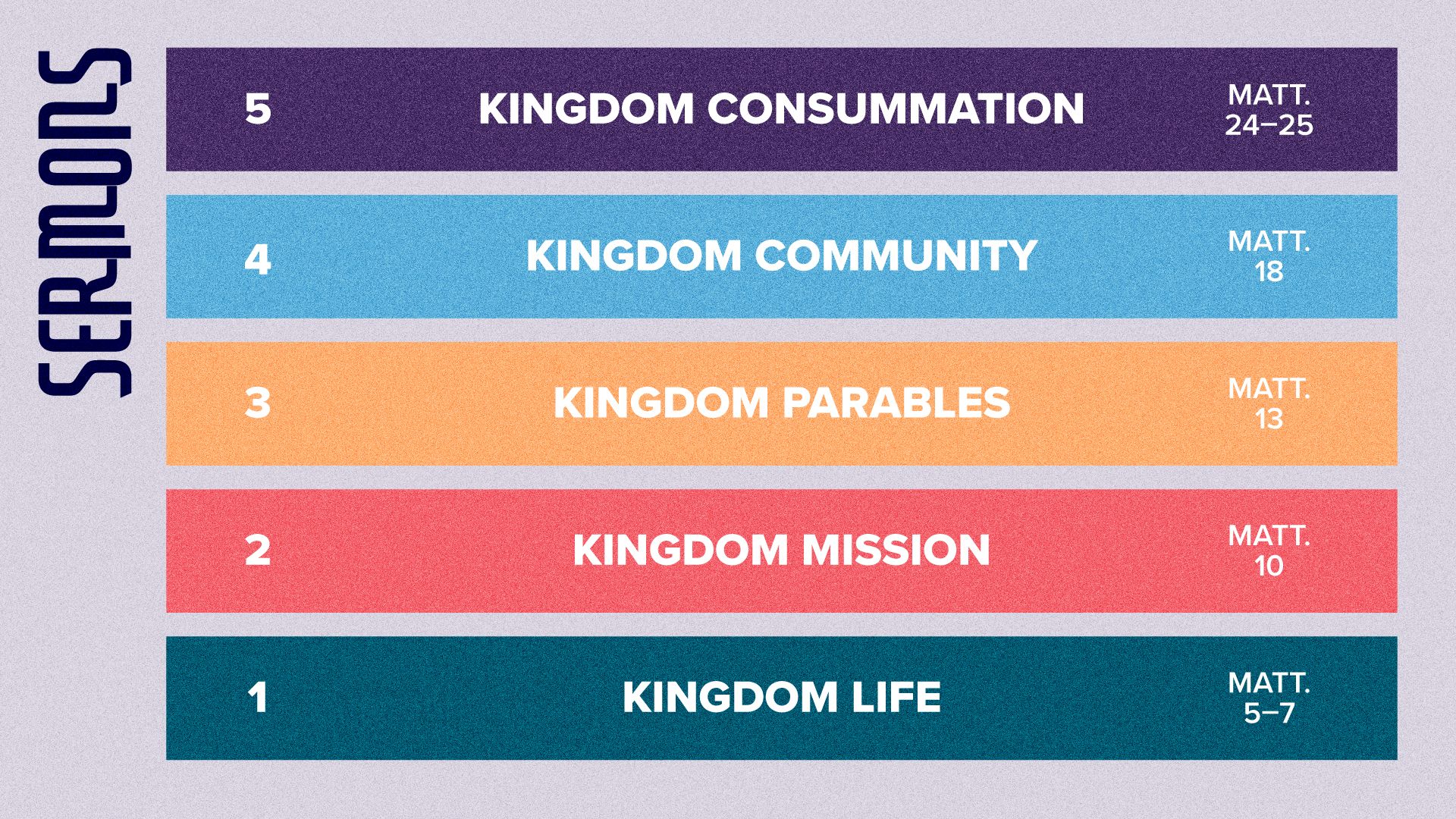
Sermons plant ideas in the human heart that grow into actions. Much of Jesus’ teaching happened through dialogue, stories, and questions, but several extended sermons are recorded, especially in the Gospel of Matthew. Many notice the parallel of five major sermons alongside the five books of the law. All five center on one theme: the kingdom of God.
Matthew 5 to 7, often called the Sermon on the Mount, is the most famous message in history. It begins with a shocker: “Blessed are the poor in spirit, for theirs is the kingdom of heaven.” Jesus names the people usually pitied or marginalized and calls them blessed. Blessed are those who mourn. The meek. Those who hunger and thirst for righteousness. The merciful. The pure in heart. The peacemakers. The persecuted.
Nobody ever taught like this.
He sets impossibly high standards and then says, “Be perfect as your heavenly Father is perfect.” No one can live like this. And that is the point. The kingdom life requires Jesus to live through us. It is altogether different and better. A totally different brand of living. Build your house on the rock of his teaching, not the shifting sands of culture.
In Matthew 10, he outlines kingdom mission and sends the twelve. Kingdom people are not just sitters. They go and make disciples. In Matthew 13, he tells parables that begin, “The kingdom of heaven is like…” Each one teaches a single truth. Everybody is invited. The stakes are high. There is nothing more worth investing in. The King will return, so be ready.
Some understood. Some walked away confused. The disciples received more because they asked for more. The secrets of the kingdom are given to those who pursue Jesus.
Jesus did not only speak about the kingdom. He demonstrated it.
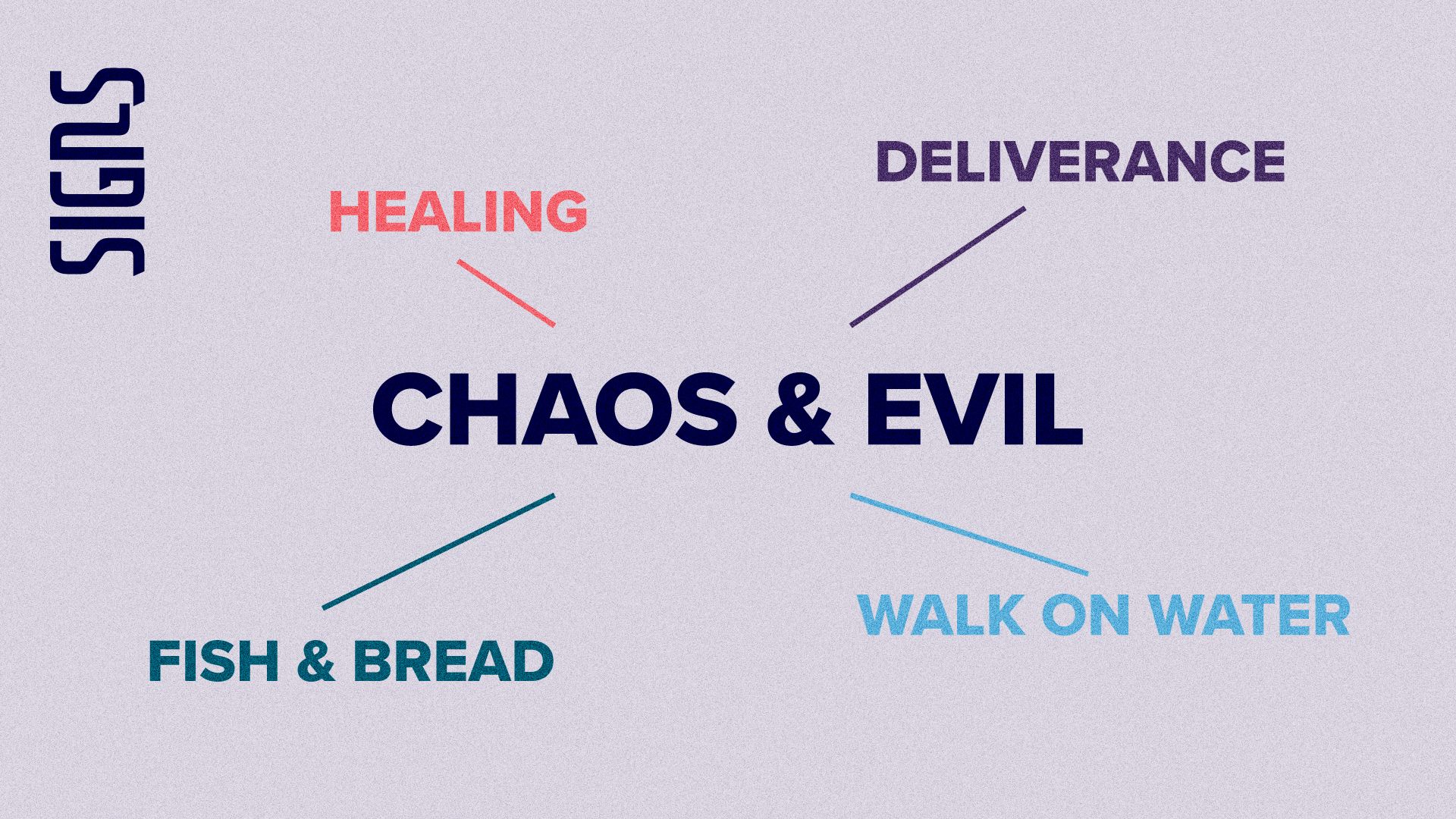
Signs backed up his claims to be the King, the Messiah, the Son of God. Healings showed power over disease. Deliverance showed power over demons. Multiplying fish and bread showed power over scarcity. Walking on water showed power over chaos.
Ancient cultures saw water as the deep, the place of chaos where evil lurked. When Jesus walked on a stormy sea, he was not merely defying physics. He was demonstrating authority over chaos itself.
All of this addresses the fallout of the fall. Evil. Disease. Demons. Scarcity. Chaos. Jesus divinely intervened to put broken things back together again.
Matthew 15 describes great crowds bringing the lame, the blind, the crippled, the mute and many others. They laid them at his feet, and he healed them. The people were amazed. He healed them all day long. That is what he is like.
He is our Savior, Sanctifier, Healer and coming King. The same authority that confronted evil then still defines who he is.
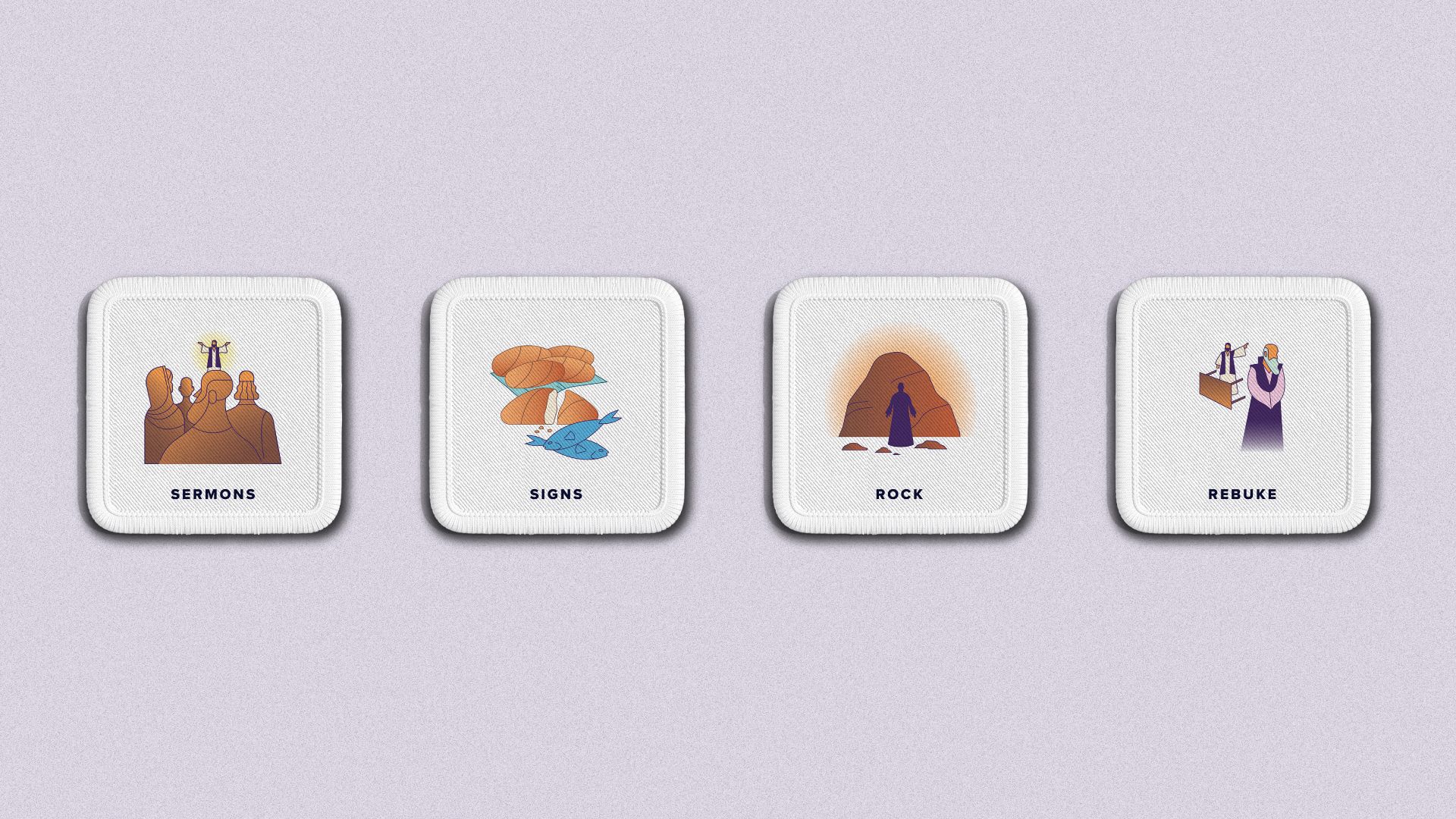
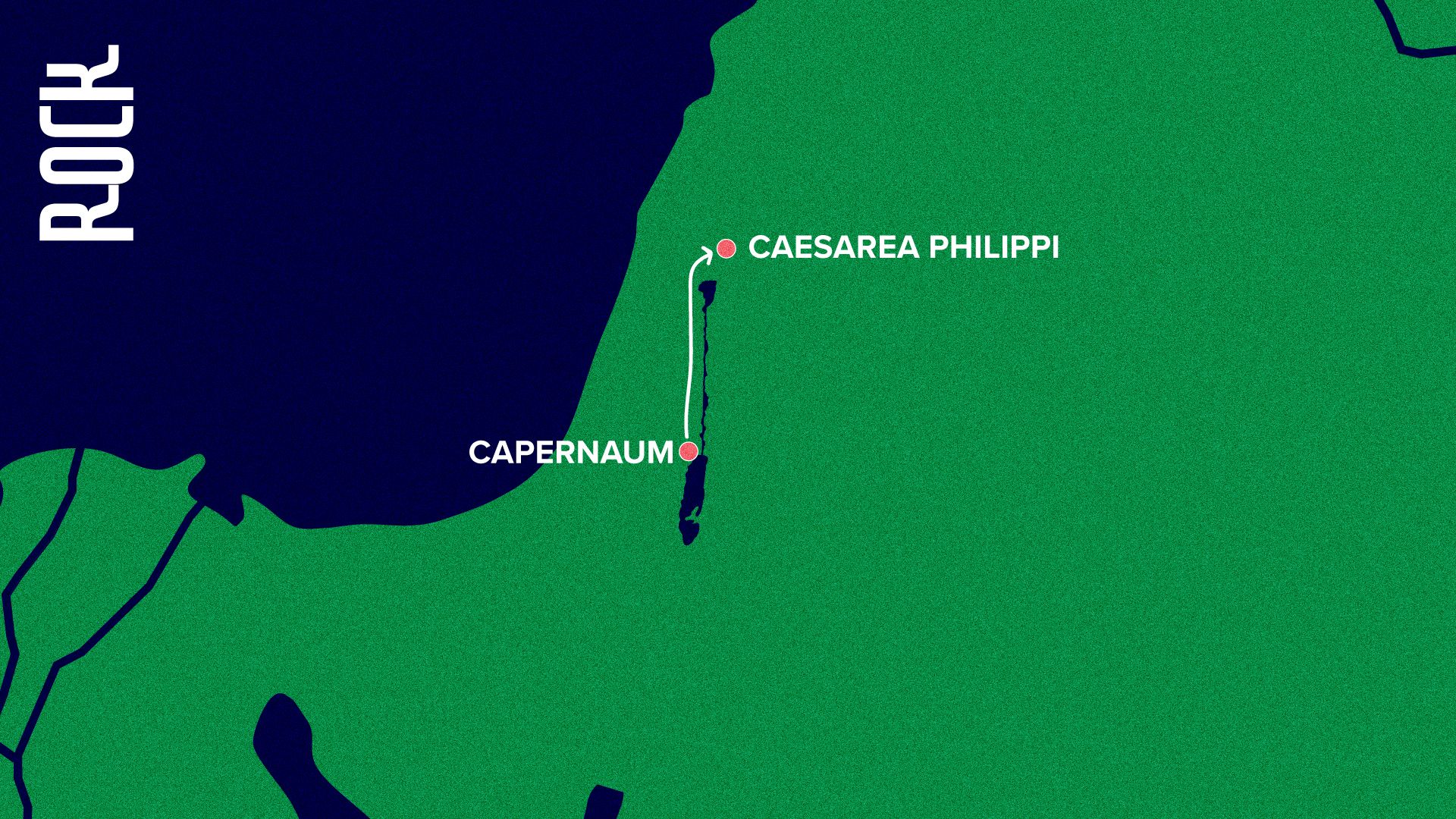
Rock comes into sharp focus when Jesus takes his disciples north to Caesarea Philippi, a region filled with idols and competing worship centers built around a massive rock face and a cave known as the Gates of Hades. Temples to Pan and Zeus stood nearby. It was a stronghold of alternative allegiances.
In that setting, Jesus asked, “Who do you say I am?”
Simon answered, “You are the Christ, the Son of the living God.” It was the first public confession that Jesus is the Messiah and Son of God.
Jesus responded, “You are Peter, and on this rock I will build my church, and the gates of Hades will not overcome it.” Whether the rock refers to Peter, his confession, or both, the message is unmistakable. Jesus is building his church. Not the disciples. Not leaders. Not human effort. He is.
Standing in front of a massive rock associated with false worship, Jesus declared that his assembly would prevail. Competing religions would fade. His church would endure. The gates of hell would not overcome it.
Jesus was full of compassion, humility, and sacrifice. Yet he was also capable of sharp confrontation.
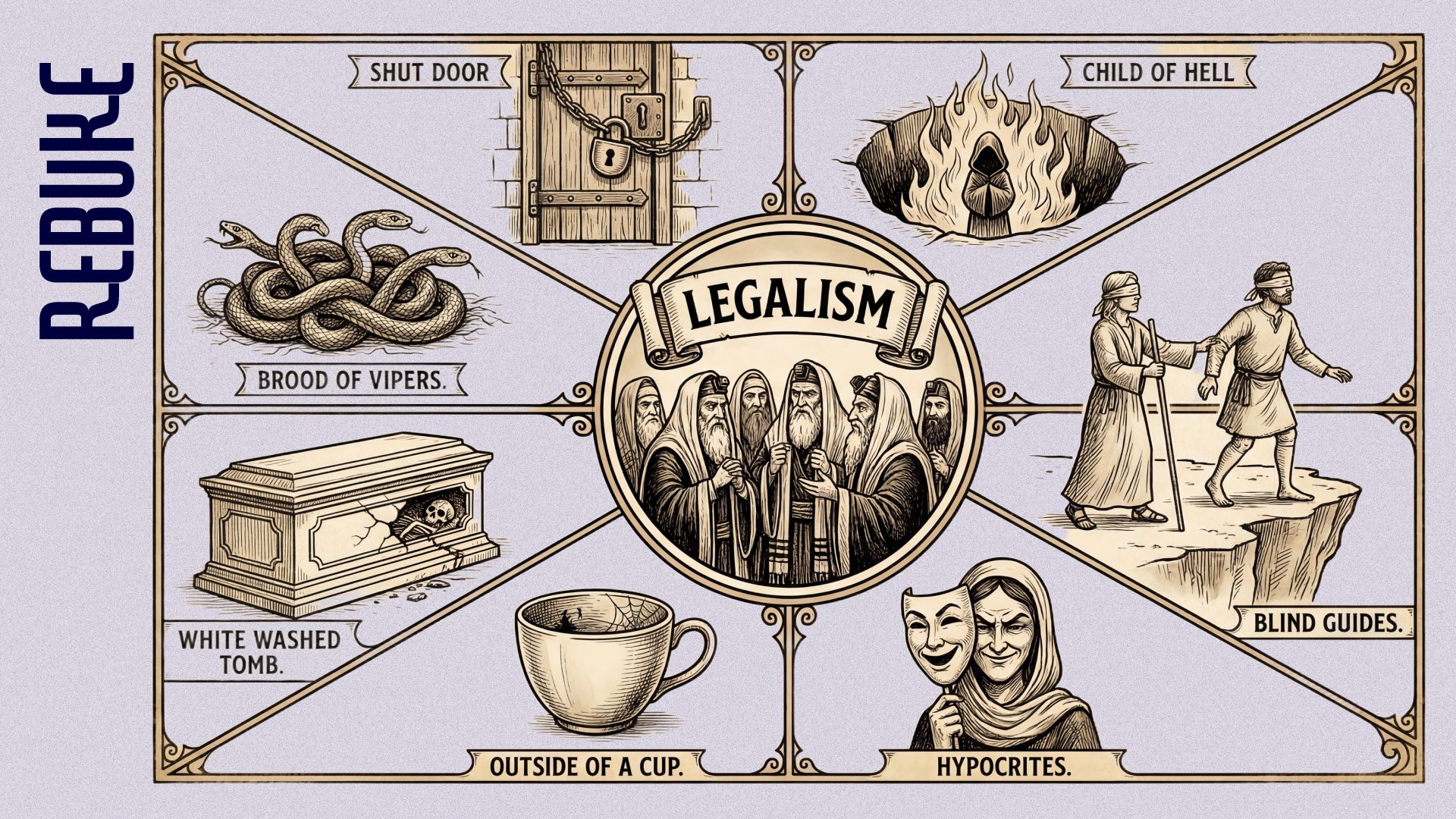
Rebuke reaches its height in Matthew 23, often called the seven woes. “Woe to you, teachers of the law and Pharisees, you hypocrites.” “You snakes. You brood of vipers.” These words were directed at spiritual leaders whose religion had become a barrier between people and God.
He was clear about the danger of legalism. Religion says do. Pray. Attend. Quote. Tithe. Obey. All good things, yet centered on performance. Jesus says done. It was done on the cross. Sins are paid for.
The Pharisees led people toward religious activity. Jesus led people toward God and grace. The admission at the heart of the kingdom is this: I cannot save myself. I cannot sanctify myself. I cannot heal myself. I cannot be perfect as my heavenly Father is perfect.
“Blessed are the poor in spirit, for theirs is the kingdom of heaven.” The kingdom belongs to those who know they need the King. And he has all the power to rescue, restore, and make whole.
Message recap adapted from the February 22, 2026, message by Minister Mark Ashton.

Download Our App
Grow in your faith and build daily habits using our app.