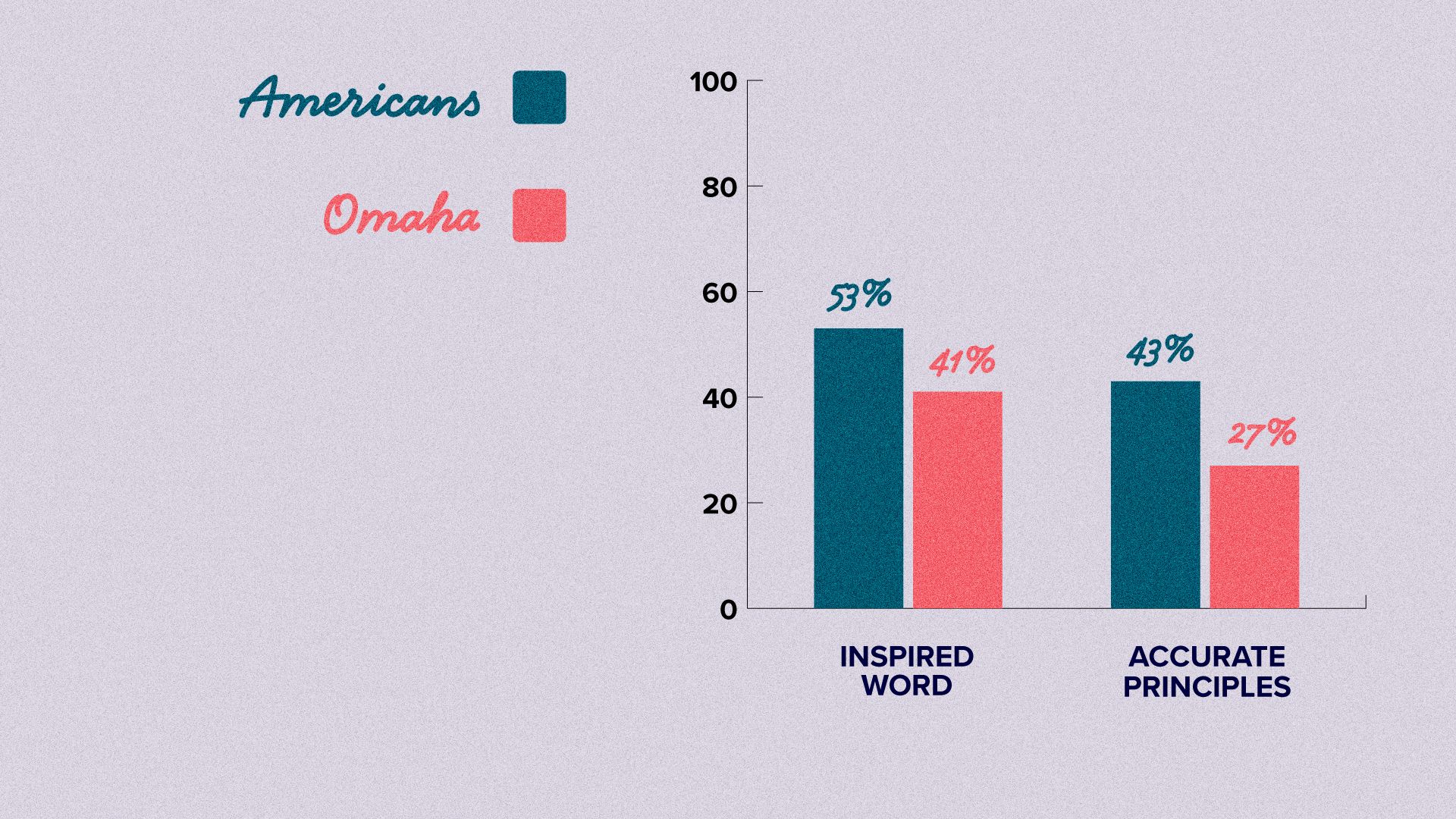
There’s a growing problem in the American Church, and it isn’t just theoretical. It’s personal. Biblical illiteracy is real, even among people who genuinely believe the Bible matters. A surprisingly small percentage of Americans have read the entire Bible, and even fewer are confident that it is fully accurate in what it teaches. Locally, those numbers are even lower.
That reality is not meant to shame anyone. It’s meant to awaken us.
The New Testament is the most important collection of documents ever written. It contains eyewitness accounts of the most important life in human history, the story of how that life changed the world, and letters explaining what that life means for our identity, our relationships, our priorities, and our future. If there is one body of literature worth mastering in a lifetime, it is this one.
That’s why this eight-week journey exists. Not to overload people with details, but to give a clear, memorable big-picture understanding of the New Testament. Twenty-seven books. About ninety years of history. One unified story centered on Jesus. The goal is not just knowledge, but confidence. Confidence to read Scripture, understand how it fits together, and see how it speaks into everyday life.
The Big Picture of the New Testament Story
The New Testament is beautifully structured. While it contains twenty-seven books, it tells one unified story that unfolds in a few major movements.
It begins with the Gospels, four accounts of Jesus’ life. Matthew, Mark, and Luke share a similar structure and focus, while John takes a more reflective and theological approach. Together, they tell the story of Jesus’ birth, teachings, miracles, death, and resurrection. These are not myths or legends, but carefully preserved eyewitness testimony.
The story then moves into Acts, which records how the message of Jesus spread through the early church after His resurrection. From there, the letters unpack the meaning of Jesus’ life and work, helping early Christians understand how the Gospel reshapes everything from personal holiness to community life. Finally, Revelation pulls back the curtain to show how history ultimately ends, with Jesus reigning as King.
Right from the opening lines of Matthew, the New Testament signals something profound. Jesus is introduced as the fulfillment of ancient promises, the rightful King in the line of David, and the culmination of centuries of longing. Even the genealogy is intentional. It highlights both God’s faithfulness and humanity’s brokenness, showing that Jesus steps into a story filled with imperfect people, diverse backgrounds, and unexpected grace.
The New Testament is not disconnected from the Old. It completes it. Every promise, pattern, and prophecy finds its fulfillment in Jesus. The more you see those connections, the more the Bible moves from a collection of books to a single, breathtaking story.

Meeting Jesus: From Beginnings to Baptism
Right from the opening lines of Matthew, the New Testament signals something profound. Jesus is introduced as the fulfillment of ancient promises, the rightful King in the line of David, and the culmination of centuries of longing. Even the genealogy is intentional. It highlights both God’s faithfulness and humanity’s brokenness, showing that Jesus steps into a story filled with imperfect people, diverse backgrounds, and unexpected grace.
The story of Jesus unfolds in clear and powerful stages, each revealing something essential about who He is and why He came. To help us remember and hold onto this movement, we are anchoring the story with four key moments: Beginning, Birth, Boyhood, and Baptism.
Beginning reminds us that Jesus did not start in Bethlehem. His incarnation began there, but His existence did not. The Gospel of John points us all the way back before time, space, matter, and energy. Jesus is eternal. He was there in the beginning-beginning. Before creation existed, He already was.
Birth marks the astonishing moment when the infinite God stepped into human limitation. The Creator entered His creation as a fragile, vulnerable baby. In Jesus’ birth, almighty God willingly became accessible and killable, so that He could ultimately suffer and die for us. This is not weakness. It is intentional humility for the sake of redemption.
Boyhood shows us that Jesus truly embraced humanity. His early years echo the story of Israel itself. Like Israel, Jesus goes down to Egypt and comes back out, beginning a new chapter in God’s redemptive plan. But where Israel failed, Jesus succeeds. Growing up in obscurity, in an overlooked town, Jesus matured like any human would. He grew physically, relationally, and intellectually. He learned. He memorized Scripture. He experienced what it means to grow, all while remaining without sin.
Baptism launches His public ministry. Though sinless, Jesus steps into the water to identify fully with humanity and to set a pattern for all who would follow Him. In that moment, heaven opens. The Father speaks words of love and approval. The Spirit descends. The kingdom of God is inaugurated in power, and Jesus begins His mission in the world.

This is not random history. Every moment is intentional. Every step fulfills what came before. Jesus is not only the promised King. He is the fulfillment of the entire story.
And this is just the beginning.
As this journey through the New Testament continues, the invitation is simple. Come learn the story. See how it fits together. And discover how deeply it shapes who you are and how you live today.
The New Testament is not disconnected from the Old. It completes it. Every promise, pattern, and prophecy finds its fulfillment in Jesus. The more you see those connections, the more the Bible moves from a collection of books to a single, breathtaking story.
Message recap adapted from the February 8, 2026, message by Minister Mark Ashton.

Download Our App
Grow in your faith and build daily habits using our app.