
In John 4, Jesus has the longest recorded conversation of His ministry. In just one encounter at a well in Samaria, a woman moves from stranger, to believer, to witness. By the end of the story, an entire town is coming to meet Jesus. As the manuscript notes, Jesus moves her from “Stranger” to “Follower” to “Evangelist” in a single conversation.
This familiar story is not just about a Samaritan woman. It is about how God pursues people, crosses barriers, and invites ordinary followers of Jesus to do the same. The manuscript repeatedly frames the story as a guide for learning “how to reach one more.”
Go Where Others Avoid
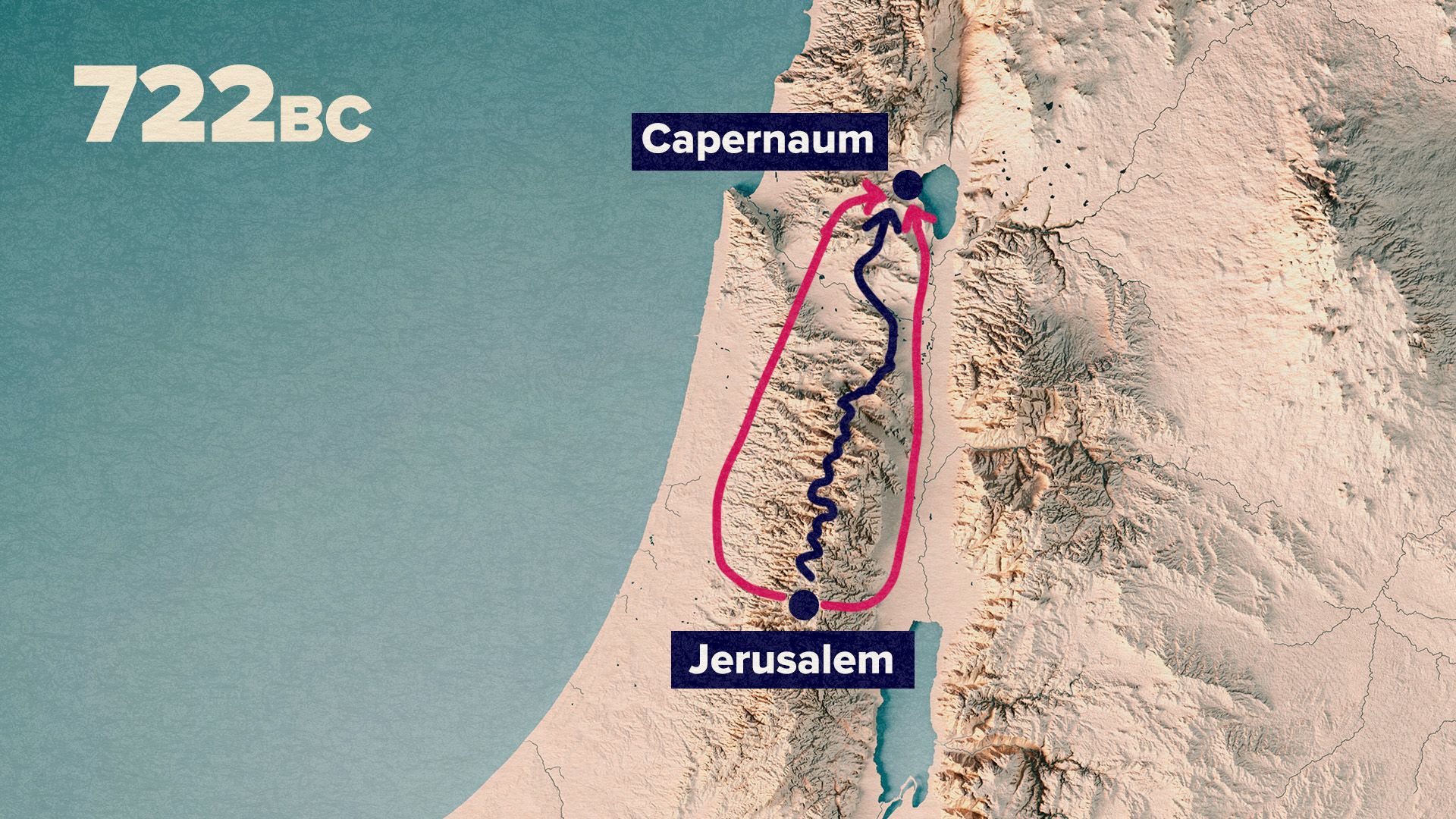
Jesus “had to go through Samaria.” That statement is more than geography. Many Jewish travelers intentionally avoided Samaria because of centuries of division, mistrust, and prejudice. Yet Jesus deliberately walked into the place others avoided because there were people there whom God loved.
The challenge is timeless: What is your Samaria?
It is easy to build lives surrounded entirely by people who think, believe, and live like we do. But Jesus consistently moved toward people on the margins. He stepped into uncomfortable places, crossed cultural lines, and engaged those others ignored.
As the sermon puts it, Jesus wanted to be in proximity to “a woman, a well and a town full of people God loves.”
Perhaps our Samaria is a neighborhood, a workplace, a sports team, a coffee shop, or a friendship that feels difficult or unfamiliar. The gospel often moves forward when believers choose proximity over comfort.
Questions Open Doors That Arguments Cannot
Jesus begins with an incredibly simple request:
“Will you give me a drink?”
The Savior of the world starts with a question.
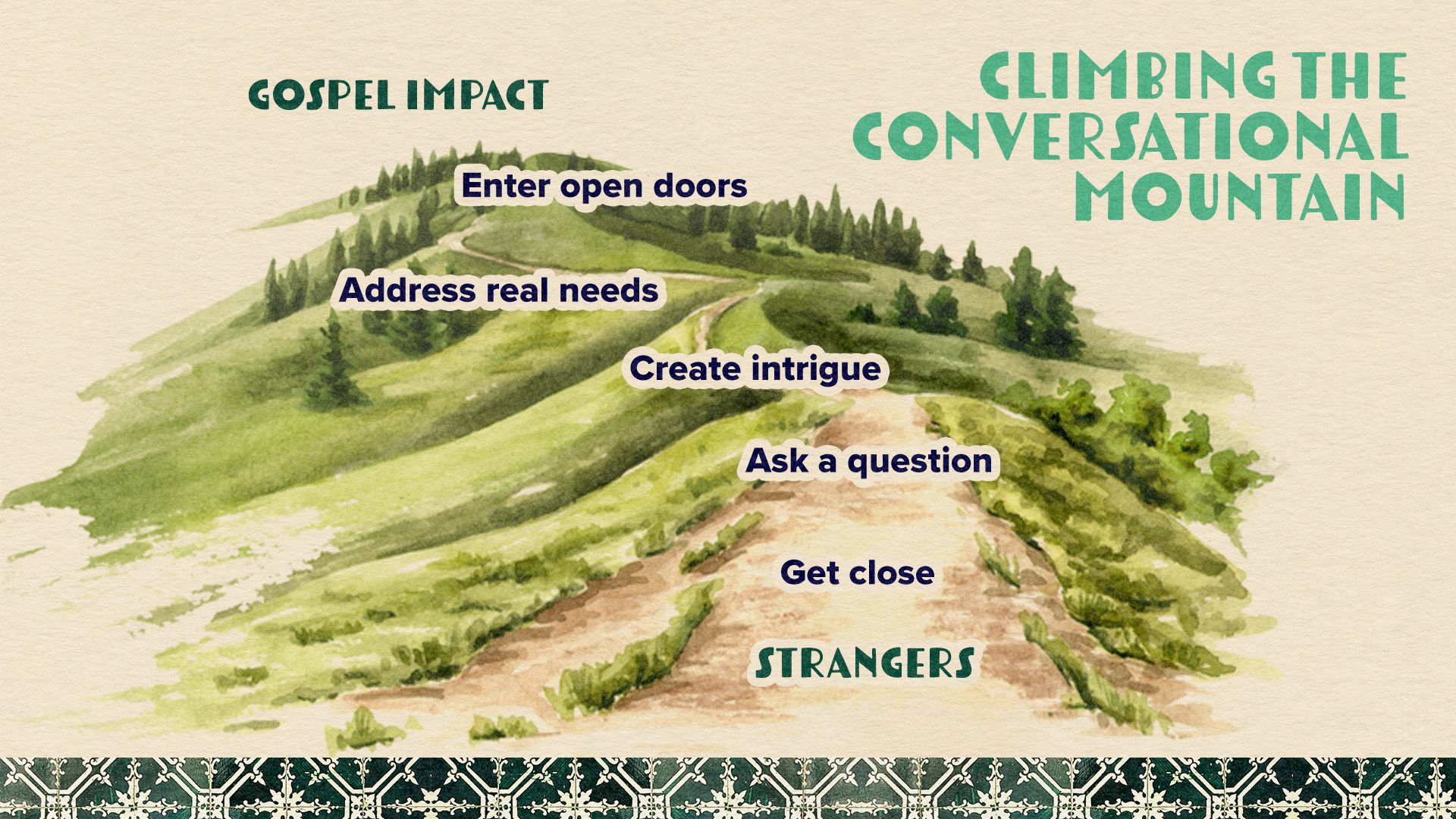
Questions create connection. They communicate interest. They invite rather than force. Jesus does not begin with condemnation or correction. He begins with curiosity and conversation.
The sermon wisely notes that asking questions is often the easiest way to start meaningful dialogue. Questions about work, weather, family, or everyday life create common ground and allow people to share as deeply as they choose.
But Jesus does not stop at surface-level conversation. He creates intrigue.
He speaks of “living water.”
The woman initially misunderstands, thinking about physical water, but Jesus is speaking of a deeper thirst. Every human heart knows this thirst: the longing for purpose, belonging, forgiveness, and life that lasts.
“Everyone who drinks this water will be thirsty again, but whoever drinks the water I give them will never thirst.”
We often spend our lives drawing from wells that cannot satisfy. Achievement, relationships, possessions, and success may quench for a moment, but only Christ offers living water that becomes “a spring of water welling up to eternal life.”
Jesus also demonstrates remarkable compassion. He touches real pain without condemnation. The text never presents Him shaming the woman. Instead, He sees her story fully and still invites her into grace.
People are rarely argued into transformation. More often, they are loved, heard, and invited.
Leave the Water Jar and Invite Others to “Come and See”
Perhaps the most beautiful detail in the story is one that is easy to miss:
The woman leaves her water jar behind.
She came to the well thirsty. She came carrying burdens, questions, and perhaps years of disappointment. But after encountering Jesus, she leaves behind the very thing that brought her there.
She is so transformed that she runs back to the city to tell others:
“Come and see.”
Those three words become one of the great invitations of the Gospel. Earlier in John, Jesus used the same invitation with His first disciples. Now the woman becomes a messenger herself. The invitation remains the same: not “Come and agree with me,” but “Come and see.”
Our job is not to convert people.
That is God’s work.
Our calling is often much simpler: invite, love, listen, and point people toward Jesus.
The disciples were told, “Open your eyes and look at the fields! They are ripe for harvest.”
The harvest is not somewhere else. It is often right in front of us.
What are you carrying to the well that Jesus wants you to leave behind? And who in your life needs you to run back and say, ‘Come and see’?
Message recap adapted from the June 14, 2026, message by Minister Mark Ashton


Download Our App
Grow in your faith and build daily habits using our app.