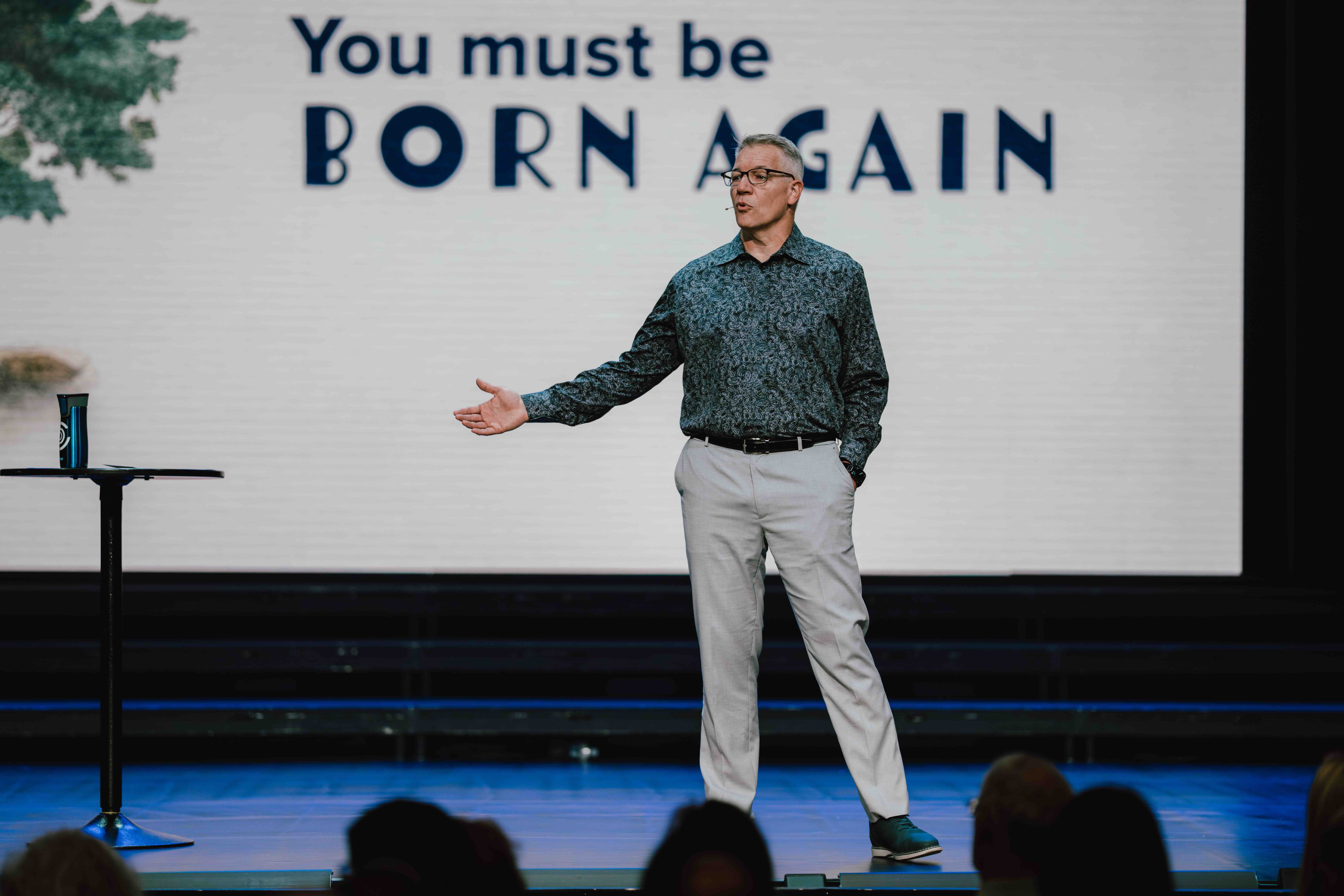
Most people assume that if they are a pretty good person, they are probably doing okay spiritually.
That assumption is exactly what makes John 3 such a powerful and unsettling passage.
When we read the Gospels, we often notice how Jesus interacted with tax collectors, sinners, and people on the margins of society. He was remarkably compassionate toward them. Yet some of His most challenging conversations were with people who appeared to have everything together spiritually. John 3 gives us one of the clearest examples.
A respected religious leader named Nicodemus comes to Jesus under the cover of darkness, hoping to understand who Jesus really is. By every measure, Nicodemus was successful. He was educated, influential, moral, respected, and deeply committed to God. If anyone looked like they had spiritual life figured out, it was him. Yet Jesus immediately confronts the very foundation of his confidence:
"No one can see the kingdom of God unless they are born again."
What follows is one of the most important conversations in all of Scripture.
When Good Things Point to Greater Things
John's Gospel repeatedly shows Jesus taking good and sacred things and revealing their deeper fulfillment.
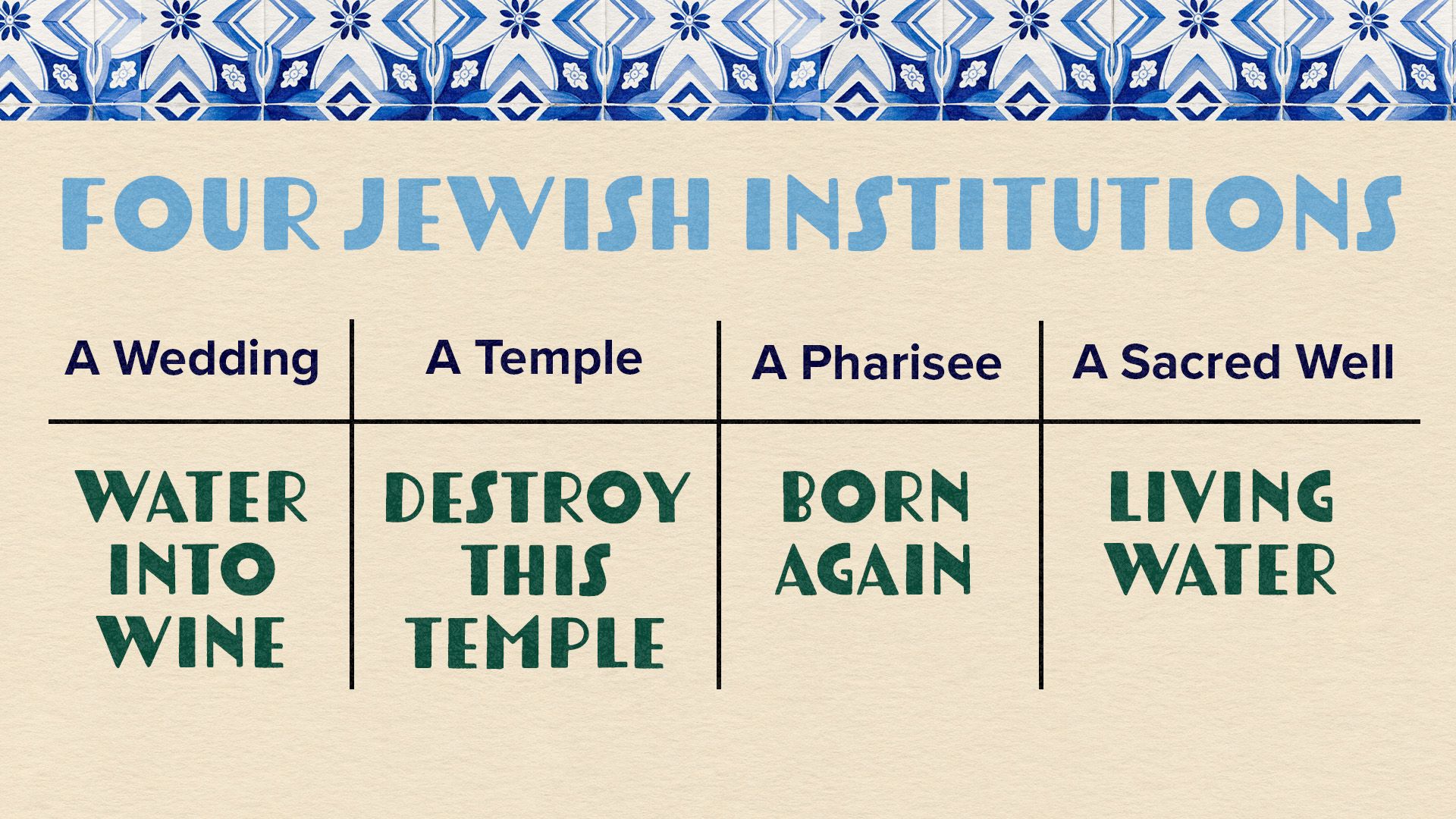
At a wedding in Cana, Jesus transforms water used for ceremonial washing into the finest wine.
At the temple, He declares that God's presence is no longer ultimately about a building but about Himself.
Soon He will meet a woman at a well and offer living water that satisfies the deepest thirst of the soul.
Now, with Nicodemus, Jesus challenges the assumption that religion itself can bring life.
The traditions, institutions, and practices of Israel were never the destination. They were signposts pointing people toward Christ.
Nicodemus had spent his life mastering those signposts. What he had not yet discovered was the One to whom they pointed.
That is why Jesus' words feel so shocking. Nicodemus expected a discussion about theology, law, or religious practice. Instead, Jesus tells him that what he truly needs is an entirely new birth.
More Than Moral Improvement
Jesus explains that there is a difference between physical birth and spiritual birth. Being born into a religious family is not enough. Having good values is not enough. Knowing the right answers is not enough. Even sincere religious devotion is not enough.
The invitation of Christianity is not simply to become a better version of yourself.
It is to become a new creation.
This is where many people get stuck. We often assume Christianity is primarily about making bad people good. We imagine God handing out report cards and hoping our good deeds outweigh our failures.
But Jesus presents something radically different.
He speaks of a spiritual revolution. A new heart. A new identity. A new relationship with God through the power of His Spirit.
The greatest barrier for many people is not their sinfulness. It is their self-sufficiency.
If we believe we are already good enough, we never realize how desperately we need grace.
From "Do" to "Done"
One of the most compelling themes in this passage is the difference between religion and the gospel.
Religion says, "Do."
Do better.
Do more.
Try harder.
Earn God's approval.
The gospel says, "Done."
Jesus came because humanity could never save itself. No amount of morality, knowledge, achievement, or effort can erase sin or conquer death. Only Jesus can do that.
His life, death, and resurrection accomplished what we never could.
That is why the cross stands at the center of the Christian faith. Jesus does not merely offer advice. He offers rescue.
And He illustrates that rescue through one of the most unusual stories in the Old Testament.
Looking to the One Lifted Up
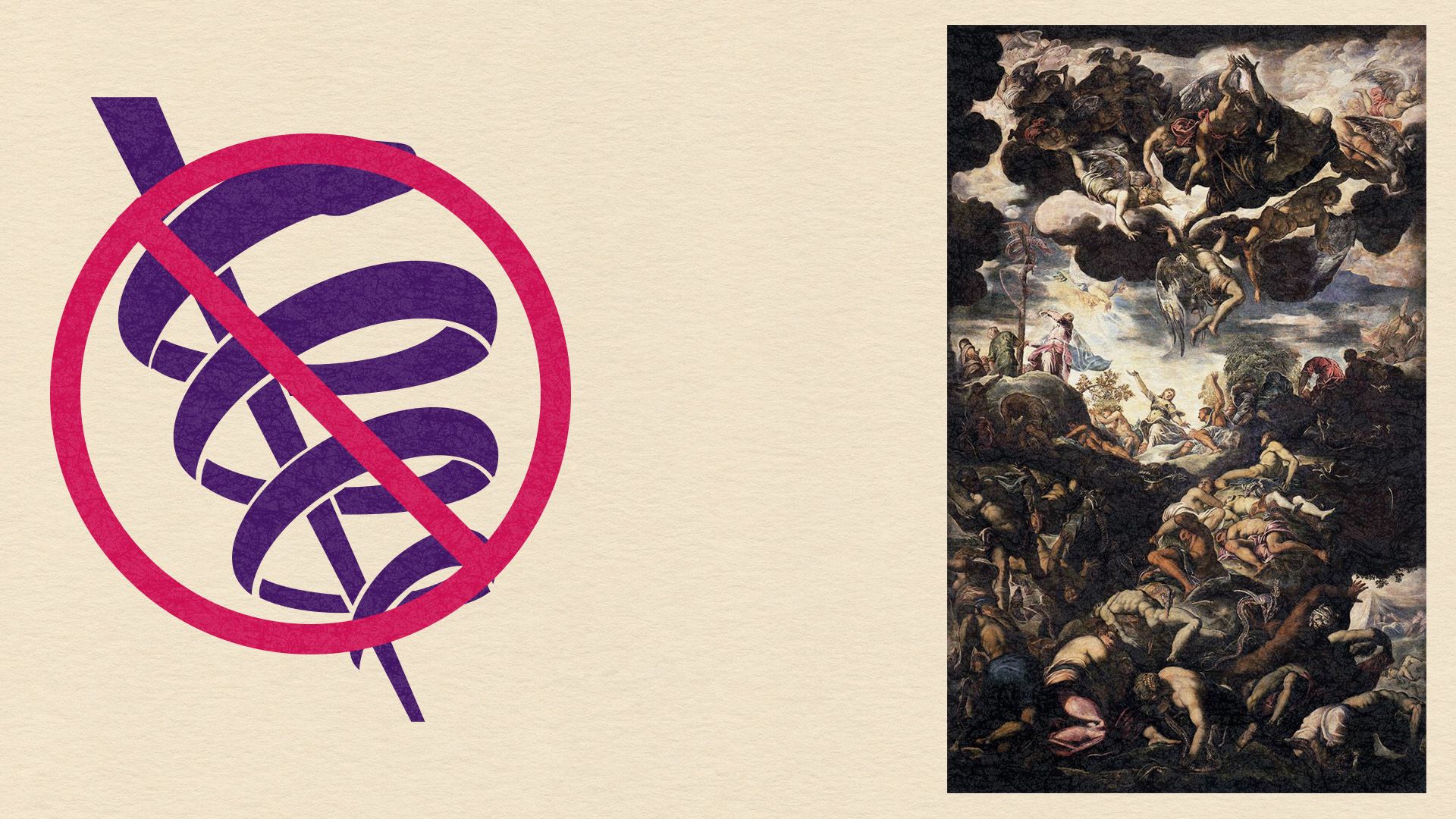
Jesus reminds Nicodemus of the story of the bronze serpent in the wilderness.
As the Israelites wandered through the desert, poisonous snakes spread through the camp. People were dying. God instructed Moses to place a bronze serpent on a pole and lift it high. Anyone who looked to it in faith would live.
It sounds strange at first, but Jesus reveals its deeper meaning.
The bronze serpent was never the point.
It was a picture.
Just as the Israelites looked up and found healing, Jesus would one day be lifted up on a cross so that everyone who looks to Him in faith could receive life.
The whole world has been bitten by the poison of sin and death. Every person feels the effects. Every person carries wounds, regrets, brokenness, and the reality of mortality.
Yet the invitation remains beautifully simple:
Look to Jesus.
Trust Him.
Receive life.
The Most Famous Verse and the Greatest Invitation
The conversation reaches its climax with words that have echoed across centuries:
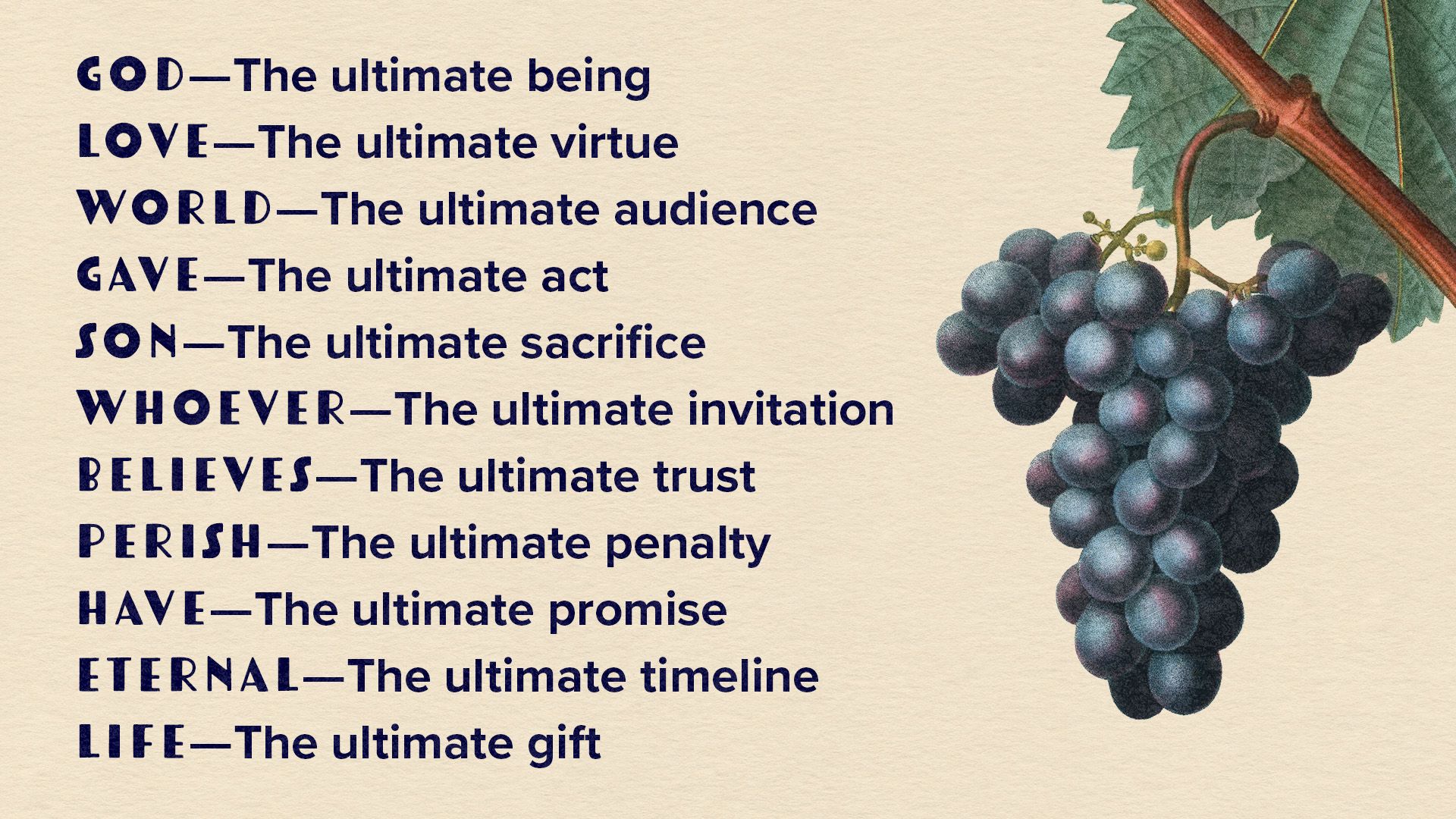
"For God so loved the world that he gave his one and only Son..."
Every phrase is filled with significance.
God is the ultimate giver.
Love is the motivation.
The world is the audience.
Jesus is the sacrifice.
Whoever is the invitation.
Belief is the response.
Eternal life is the gift.
No wonder these words have become the most recognized verse in Scripture.
John 3 reminds us that God's heart is not condemnation but salvation. His desire is not to push people away but to draw them near. Jesus came to rescue a broken world and offer life to anyone willing to trust Him.
Stepping Out of the Darkness
There is one final detail in the story that is easy to overlook.
Nicodemus came at night.
Throughout John's Gospel, darkness is more than a time of day. It often symbolizes uncertainty, fear, secrecy, and spiritual confusion.
Nicodemus arrived in the darkness, but Jesus invited him into the light.
That invitation remains for us today.
Following Jesus is not merely agreeing with Him intellectually. It is stepping into the light. It is bringing our fears, failures, doubts, and ambitions before Him and allowing His grace to transform us.
The story of Nicodemus reminds us that faith is not about having all the answers. It is about trusting the One who does.
The kingdom of God is not entered through achievement, reputation, morality, or religious performance.
It is entered through new birth.
Through grace.
Through belief.
Through Jesus.
Message recap adapted from the May 31, 2026, message by Minister Mark Ashton
Download Our App
Grow in your faith and build daily habits using our app.